Build and Scale Faster
150+ products shipped for startups and enterprises by engineers focused on real outcomes.
"Their ability to quickly understand an unfamiliar use case and respond creatively to it is impressive."

Anonymous
Executive, Pured Disc Golf

"TechnBrains resolved challenges efficiently and turned my vision into a solid, functional product with a strong foundation."

Jalen Gibbs
Founder, STREAMLINE LIVE
"The talent they provided was solid, but more importantly, they were quick to align with our way of working."

Nancy Snyder
Managing Director, MimeCast
Our trusted clients


Start Your Product Journey Today
Turn your idea into a working product. Share a few details and we'll help define the roadmap, timeline, and execution approach.
How a Custom Cabinet & Millwork Platform Made Cabinet Design Decisions 60% Faster
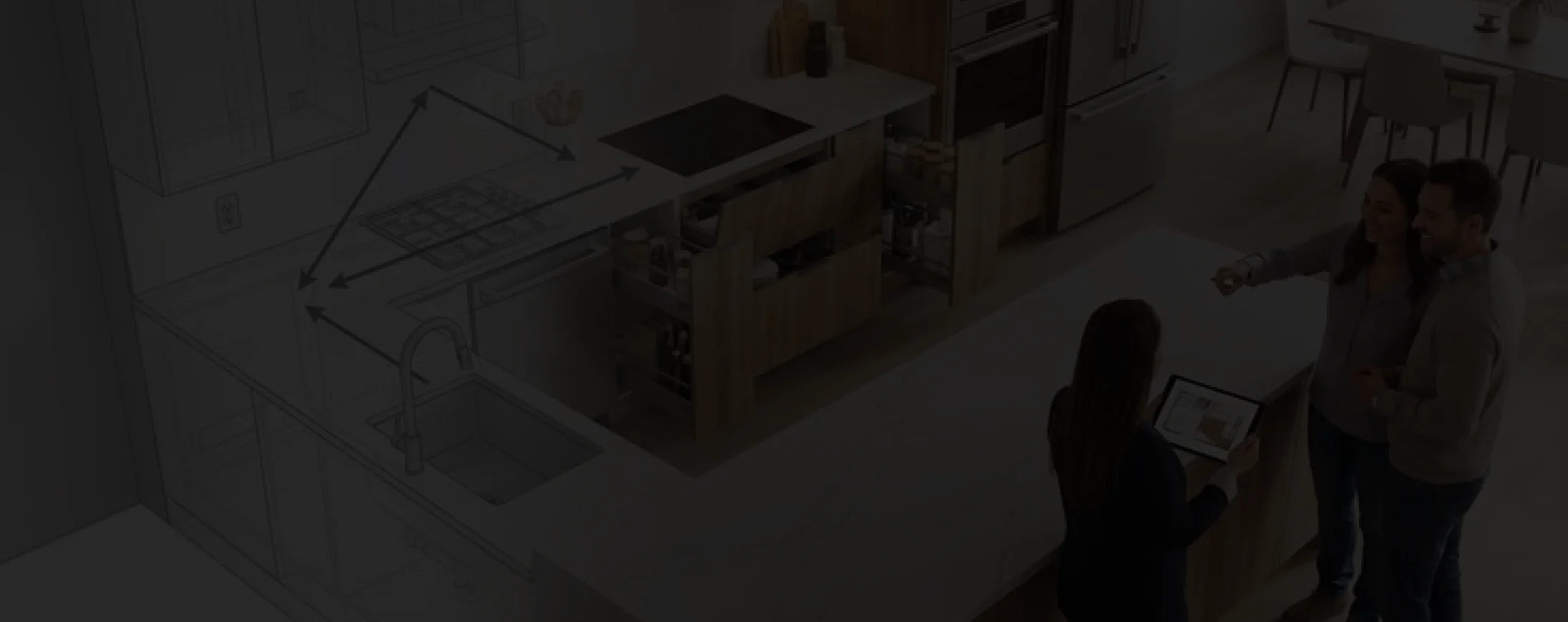
Homeowners see new cabinets in the kitchen they already have, record the measurements themselves, and get a quote from the same project, cutting quote turnaround by roughly 55%.
Project Highlights & Key Metrics
- Industry
- Construction / Custom Cabinetry
- Platform
- Web + Mobile
- Region
- United States
- Engagement Model
- Dedicated Team
- Team Size
- 8–10 Specialists
- Timeline
- ~12–15 months
Team Composition
- 1 Product Manager
- 1 UI/UX Designer
- 2 Flutter Engineers
- 2 Backend Engineers
- 1–2 AI/Python Engineers
- 1 QA Engineer
Tech Stack
- Flutter
- NestJS
- Python
- Gemini
- AR


Integrations
- Gemini LLM
- AR Measurement
- SendGrid
- Real-Time Notifications


CLIENT OVERVIEW
About the Custom Cabinet & Millwork Platform
The Custom Cabinet & Millwork Platform is a founder-led hardwood and cabinetry business working out of the Salt Lake City area in Utah. It began with handcrafted hardwood products and grew into custom cabinets, cabinet door replacement, refinishing, custom furniture, and kitchen improvement work.
Cabinet decisions are visual ones, and there are more of them than people expect. Door style, drawer front, colour, stain, finish, cabinet box, surface, and handles are eight separate choices, and before the platform customers were making all eight from samples.
-
Customer, installer, and admin roles across mobile and web
-
Cabinet looks generated against the customer's own kitchen photo
-
Space measurements captured before quoting and installation
-
Quotes, installer activity, and chat tied to one project record

Customers know they want their kitchen to look different, but choosing the final cabinet style from samples is difficult. We wanted them to see that change in their own space first, then carry the design, measurements, and quote forward without starting over at every step.
★★★★★
Problem
The Challenge
Customers had to choose cabinets before seeing the result
A door sample answers a narrow question honestly. It shows the profile, the stain, the sheen. It does not show upper and lower cabinets together in a customer's own kitchen, under their own lighting, next to their island.
So homeowners looked at samples, changed their mind, and looked again.
Then the visual decision was only the start. Somebody still had to measure the space, turn the choices into a specification, price it, and get all of that to an installer. Every handoff was a chance to lose a detail or repeat a step.
Key Challenges
- 01
Samples could not show cabinets in the customer's own kitchen
- 02
Style, color, and hardware choices went through repeated changes
- 03
Measurements were collected separately from the design decision
- 04
Quotes waited on selections gathered through several steps
- 05
Customer, admin, and installer details needed cleaner handoffs
The result was a disconnected cabinet selection process where customers had to make important design decisions without seeing how the finished result would look in their own space.
Solution
Our Solution
From kitchen photo to measured, quoted project
TechnBrains built the customer and installer mobile app plus the admin web application around a single cabinet project. A customer starts from the kitchen they already have, settles on a direction, records the measurements themselves, and submits a project that is already specific enough to price.
Kitchen Reimagination
The customer takes or uploads a photo of their kitchen, and the app generates that same room with a different cabinet direction applied, including lighter and darker lighting versions. The comparison happens against the room they own rather than a showroom.
Made cabinet visualization and selection about 60% faster.
Style Customization
Upper and lower cabinets, door and drawer front styles, colour, stain, finish type, cabinet box finish, surface, and handles can each be changed and viewed on the same kitchen. Preset designs give customers who would rather choose than configure a starting point.
Reduced design revision cycles by about 45%.
AR-Assisted Measurement
Before submitting, the customer records the space: how many walls, the dimensions of each in centimetres or inches, which kitchen features are present, and photos of the existing cabinet doors. The platform supports customers in providing measurements before the quoting process begins.
Reduced measurement corrections and repeat checks by about 35%.
Quote Generation
Selections, wall dimensions, kitchen features, and scope feed a quote the customer can request in the app and then accept or reject. It is issued as a reference figure with no payment taken, so the commercial conversation stays where it belongs.
Cut quote turnaround time by about 55%.
Project Coordination
One project record holds the design, the quote, the assigned installer, the site visit slot, chat, and status updates from initial inspection through final touches. Customers rate the installer when the work is done.
Kept selections, quotes, installer activity, and communication on one record.
Engineering Approach
Making a cabinet preview useful beyond the image
Generating a kitchen with different cabinets is the visible part. The harder requirement is that the picture has to survive contact with a real job.
What the customer chose has to stay legible as a specification: which door style on the uppers, which drawer front on the lowers, which stain, which handle.That specification then has to meet wall dimensions and kitchen features before anyone can price it, and reach an installer without being retyped from a message thread.
Flutter carries the customer and installer apps from one codebase. Python services handle the image work behind reimagination. NestJS holds the project, the selections, the quote, and the role-based access deciding who sees what. Notifications and email keep the three sides current.
Impact
The Impact
Customers could see, measure, and price the project earlier
Visualization reduced the time required to compare and select cabinet designs by about 60%, and customers went through roughly 45% fewer revision cycles. Recording measurements as part of the project cut correction and repeat-check work by approximately 35%, and quotes built from that information turned around about 55% faster.
| Before | After |
|---|---|
| Samples and imagination | Cabinet options previewed in the actual kitchen |
| Repeated design changes | ~45% fewer revision cycles |
| Manual measurement checks | ~35% fewer corrections and rechecks |
| Quotes assembled through separate steps | ~55% faster quote turnaround |
| Slow style decisions | ~60% faster visualization and selection |
Our Engagement
Business Outcomes
Why the Custom Cabinet & Millwork Platform Partnered With TechnBrains
The Custom Cabinet & Millwork Platform already understood cabinetmaking and knew exactly where customers hesitate.
What it needed was that knowledge built into a product, with the visual decision and the project information held together rather than handled as separate jobs.
TechnBrains worked as a dedicated product engineering team across discovery, UX and UI design, the Flutter customer and installer apps, the NestJS backend, Python services for the AI image work, measurement workflows, the admin web application, QA, and release support.
- ~60%Faster Design Visualization & Selection
- ~45%Fewer Design Revisions
- ~55%Faster Quote Turnaround
- ~35%Fewer Measurement Corrections

The challenge was not just showing a different cabinet style on an image. The design decision had to carry through measurements, product selections, quoting, and installation. We built the workflow so every choice made by the customer continued into the next stage instead of being recreated later.
ConTech Delivery Lead
TechnBrains
Build Better Experiences for Custom Home Improvement
Create software that connects visualization, measurements, quoting, and installation workflows in one platform.
Consult our ConTech experts about your workflow